
Ways to build community and connection
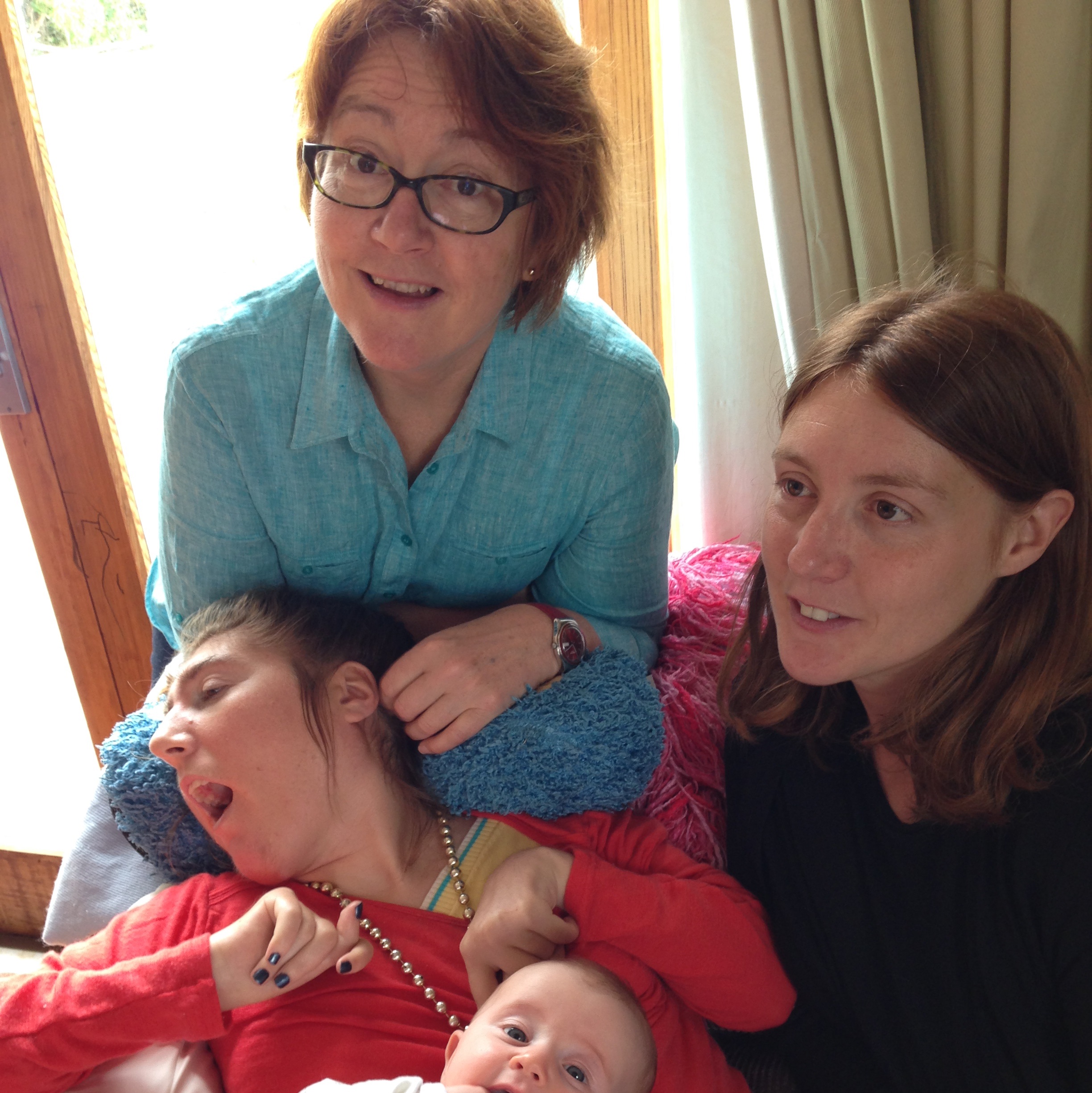

Awhi founder Elizabeth Goodwin joined the Real Parents podcast for a kōrero recently. She talked about the importance of building community for parents of disabled tamariki.
“It’s such an important thing when you’re entering a new and different world,” says Elizabeth. “Parents need to think ‘I can do this, I’ve got support to do it,’ but that can take time, and you need to not feel isolated and othered by your friends and family.”
You can listen to the full episode here, or read Elizabeth’s top tips below, drawing on her own experience.
Be open about your needs
It’s important to advocate for your child, and to do it in a way that keeps you in a community.
I thought it was important for Jessie, so I would tell my friends ‘This is what’s going on, this is what she needs.’ Even things like popping around for a cup of tea, I would think about where she could sit, so would say to my friend, ‘When I’m at your house, could Jessie sit here?’
Some children with intellectual disabilities might have issues with communication. As their parent, you’ll understand their needs, but your family and friends might not, so explaining that can be helpful. This is especially important if your child’s disability isn’t visible. You might need to explain to those around you if your child needs to be held in a different way, fed in a different way, or sleep in a different way.
Educate and advocate within your whānau
Sometimes, a person’s behaviour isn’t meanness, but they just don’t know or don’t give it much thought.
One year, we had a big family Christmas, and all of the other kids, my nieces and nephews, were running around Jessie who was sitting in her wheelchair. After a while, I had to ask them to stop and insisted they please come and say hello to their cousin. I explained that it’s confusing for her that everyone is running past her making lots of noise, but no one is engaging with her. I felt like a grumpy aunt, but I think you’ve got to do that stuff sometimes. It wasn’t that they didn’t care about her, it’s just that they didn’t know, it didn’t occur to them to kneel and say hello. I try to make it easy for people to ask questions.
Embrace the friends who support you, and don’t stress about the rest
When things are tough, our friends are so important, especially the ones who can deep dive with you—but not all friends can do that.
Some friends you’ll carry on having a fairly superficial relationship with, but there’s no point attaching judgement or blame to that. All you can do is really cling to the ones that embrace and support you, the ones you trust, the ones who ask you questions about how you’re doing, and aren’t afraid of the answers.
Talk to other parents. Swap stories.
A lot of the best knowledge comes from community, and that includes getting tips and strategies from other parents.
I was at lunch with a friend, who took a break to give some medicine to her daughter, who didn’t want to take it. There was lots of screaming and spitting and wriggling, so I asked my friend why she didn’t get the medicine in tablet form, so that she could put it in her daughter’s food instead. No one had suggested that before. But I had been through the same thing with my daughter, and learned the tablet is easier.
Another time, I was talking to a woman who was caring for her grandson up north, who was having toileting issues. He was obsessed with Spiderman, so she put pictures of Spiderman all over the walls of her loo so that he would sit there long enough to do his business, just staring at the pictures. You’re not going to read that kind of thing in a book! But it’s a good example of the practical advice that parents only learn by sharing.
.jpg)