Celebrating Whānau Hauā: neurodivergence in indigenous spaces
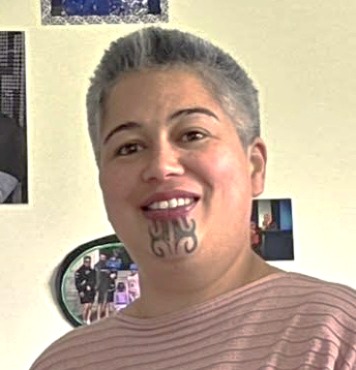
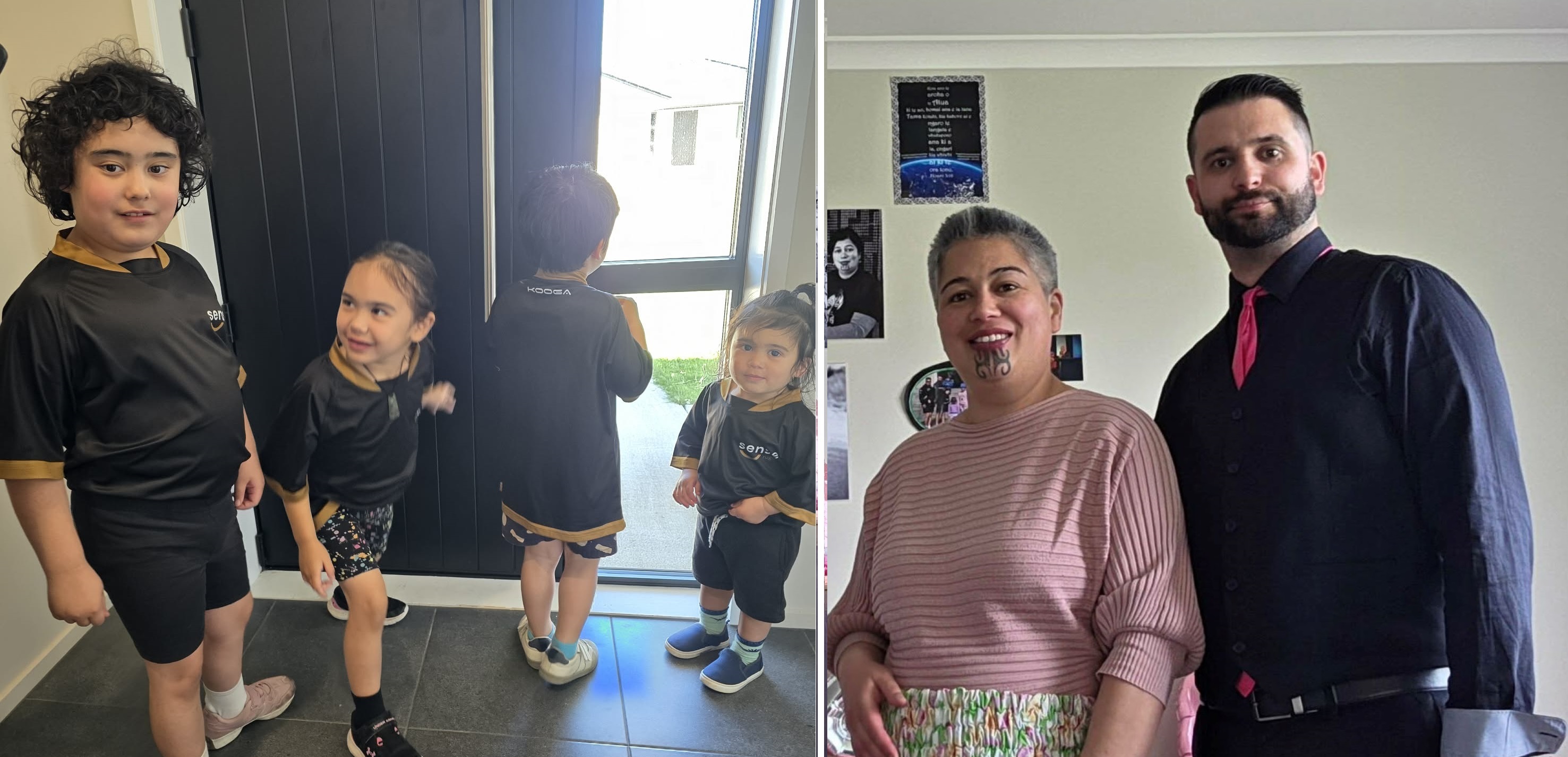
Above, L-R: Ahavah 7, Adonai 5, Elohim 4 and Tzevaot 20 months. Sakura and Samuel.
Sakura (Ngāi Tahu ki Murihiku, Te Wainui-ā-Rua) and her husband Samuel (Ngāi Tahu ki Kaikoura, Ngāti Koata) share four tamariki, including daughters Ahavah, 7, who is autistic and non-verbal, and Adonai, 5, who has kidney failure.
Their Māori whakapapa plays an important role in their parenting.
“Traditionally Māori viewed people with disabilities (whānau hauā) as part of human diversity and a collective responsibility, rather than an individual burden. Certain impairments, such as blindness (kāpō), were interpreted as a tohu (sign) of spiritual power or high status.” explains Sakura. “Historically whānau hauā were viewed as contributors to the life of the whānau, hapū and iwi. This is quite different to non-Māori perspectives.”
With this in mind, Sakura knew it was important for her whānau—for her tamariki as well as her and her husband—to connect with likeminded families.
Finding their community
They recently moved to Whanganui to be closer to Sakura’s mother, and as newcomers they have been active in local disability rōpū including youth programmes for neurodivergent children, parent groups and sporting events like Sense Rugby, an occupational therapy-led programme for disabled and neurodiverse tamariki and rangatahi.
“It massively lightens the load when you know other people going through a similar experience, and who understand you,” says Sakura. “These relationships are very affirming and joyful, but I also think it’s important for neurotypical families in the community to see us and our differences too. Those groups are a great way to be involved in community, rather than just staying at home and out of sight.”
Inclusivity at the marae
In Samuel’s hapū he has a relative raising his own adult and teenaged children with disabilities. Samuel’s marae in Kaikoura has an open kōrero about supporting different abilities and educates everyone on how to be inclusive.
“For example, they understand that Ahavah’s spinning back and forth is her way of stimming,” says Sakura. “She also likes cooler temperatures so will stay near the glass sliding doors of the wharekai. They recognise these things as her way of self-regulating because they’ve seen similar behaviours in other hapū members from childhood to adulthood. They have that understanding and embrace those differences.”
For Sakura’s whānau at her Whanganui marae, that understanding is just beginning. In part this is because of past trauma; disabled relatives and misdiagnosed friends were previously taken to Lake Alice Child and Adolescent Unit.
“There’s still a lot of healing that needs to happen, and we’re really only starting to have that kōrero now,” says Sakura.
The other barrier for Sakura is the location of the marae, which is a good hour and a half’s drive from Whanganui.
“It’s hard to get out there, and at the moment stays aren't possible due to Adonai’s overnight medical needs. In the past we have achieved marae stays and it is very rewarding when that happens. Reconnecting with our culture is important to us as people but also as caregivers—it’s very grounding, and makes a big difference to our health and wellness.”
Advocacy from a young age
Advocacy is second nature to Sakura, partly because of her parents. Being raised by a vision impaired mother meant Sakura and her younger siblings took on many parental responsibilities from a young age, such as reading bus timetables and adding up the prices at the supermarket. Her mother is a accomplished musician. She was a great sportswoman, ballroom dancer and taught her children these skills too.
“I loved that other adults trusted me with responsibilities on behalf of Mum. Childhood was fun,” says Sakura. “We learnt numeracy and literacy in Māori and English. I learnt to play guitar and dance different genres from a young age. Both my parents encouraged and supported us with our sports.”
Sakura’s dad had a medical disability, with one functioning lung as well as epilepsy. He didn’t let either condition stop him from enjoying judo, and he even went on to represent New Zealand at the 1964 Olympic Games in Tokyo.
“My parents showed me that you can’t judge a book by its cover, and it instilled in me the importance of seeing that potential in my own children,” says Sakura. “Having different abilities are gifts, even though there may be moments where they feel like a burden. My parents and daughters have taught me so much, and it’s the kind of thing you can’t learn through school—you learn it through life. I’m so grateful to have had that.”
Making self-care a priority
Sakura is passionate about empowering whānau hāua. While every parent/carer’s circumstances are unique, Sakura says there’s one thing she prioritises and recommends for others too.
“First and foremost, you need to get connected with yourself. I know it can be tricky to find time when balancing the needs of your children, but burnout is what makes us feel terrible and lose hope, so it’s important to avoid that as a caregiver.”
Sakura says “it’s easy to lose ourselves in the caring of others, but it’s so important as carers, parents, grandparents, that we affirm ourselves and love ourselves.”
“It doesn’t have to be a big thing,” says Sakura. “It can be as simple as saying to yourself: I am worthy. Because we can be really tough on ourselves and focus on what what’s not enough, on things you can’t even control!”
“You’ve got to do what you love—that’s where it starts, finding your tūrangawaewae (place to stand).”
Helpful materials
Some resources you might be interested to borrow about neurodivergence and disability through a Māori lens.
.jpg)