Coping with burnout

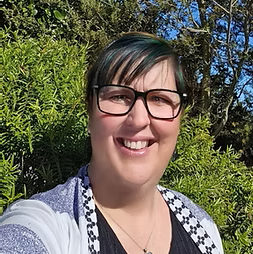
Tracey is one amazing Nan.
Based in Kerikeri, she’s the primary caregiver for four children aged 10-16, one who is whāngai, and the other three who are her grandkids. Between them, these tamariki have a range of brain differences, including autism and FASD.
Tracey is a strong advocate and support for them, but like many parents and caregivers, she also experiences burnout, especially when juggling other responsibilities like looking after her mother, who had dementia before her recent passing.
“I was living on my nerves,” says Tracey. “All it takes is one more thing like getting sick for it to become overwhelming. I feel like I can’t do anything right, start feeling hōhā with myself and then hōhā with everyone else, then blaming myself and feeling bad. Not long ago I lost my temper and ended up snapping at the kids, and the next day said sorry and explained that I’m human too, that sometimes I get frustrated”.
“You feel like you’re supposed to know how to care for kids with learning and behavioural challenges, but everything I knew about parenting was based on my own childhood, like being disciplined when you’re naughty. But that doesn’t work with neurodivergent kids, so I’ve had to learn a lot of new skills.”
Tracey says counselling, which she accessed through Ta Moko Services, has been a game changer.
“It took a while, and some of it has been quite confronting but it’s helped me become a better carer.”
Tracey tries to notice when her stress levels are starting to build, so she can take action before it starts and calms herself.
“I’ve learned how to spot the signs – like hearing my own heartbeat, or getting snappy – and recognise that these things are happening because I’m struggling to meet my own needs. I would forget to eat, I would be dehydrated, I wouldn’t take breaks and rest. I’ve had to learn that I need to extend the care that I give my kids to myself, because if I don’t look after myself then I can’t look after them.”
As well as counselling, Tracey says there’s lots of small things that help with her burnout too. Getting out of her routine and taking a break helps clear her head, as does going for a drive, or doing something nice for herself like going out for lunch or buying a chocolate.
“I tell the kids that when I’m in the bedroom with the door shut, it means I’m tired and I need a rest, even for just 30 minutes. They know to let me sleep.”
Tracey says it’s also important to pick your battles.
“The reality is that if one of the kids has a meltdown and throws and breaks a dinner plate, they aren’t doing that to be disobedient or naughty. So instead of shouting, I’ll explain to them that we need plates to eat our food off and together we’ll go to the op shop and buy a cheap plate to replace it. It doesn’t matter to me that it doesn’t match. I accept that this is the reality of our family and it happens sometimes.”
“As caregivers we put everything into our kids and it can get lonely, but I’m getting better at taking time out for myself. I attend local dinners where I meet other women in the community, all of us from quite different backgrounds. That’s been really nice.”
“Talking to other people makes a huge difference. Whether it’s talking to my counsellor, talking to Cindy at IHC, talking to RuruHana from FASD-CAN – ringing someone and telling them I’ve had a hard day today helps to release some of the stress I’ve been holding in. They don’t have to solve anything, they just need to listen.”
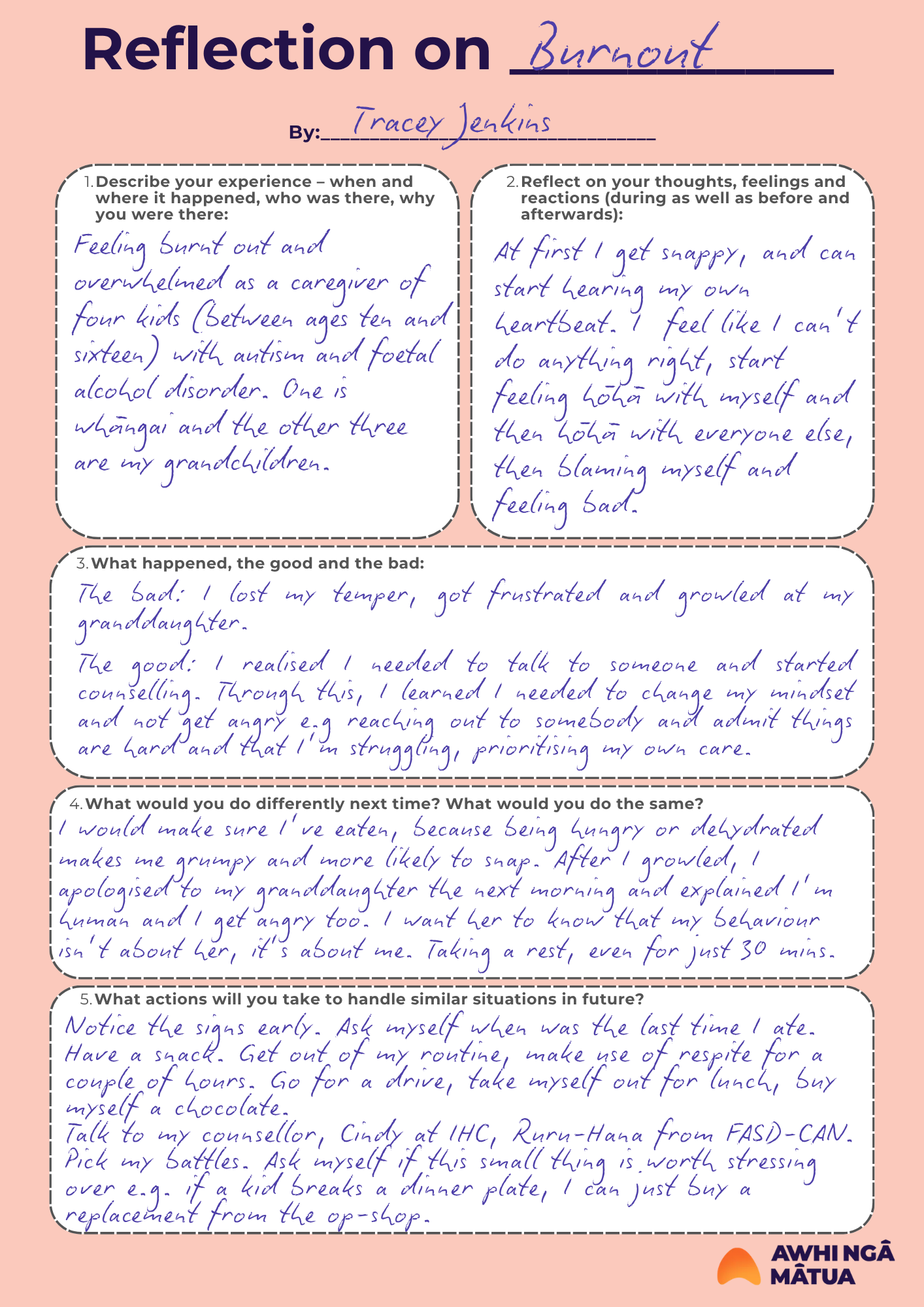
See below for Tracey’s reflection on her experiences with burnout, including what she learned from this experience.
.jpg)