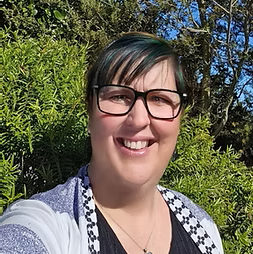
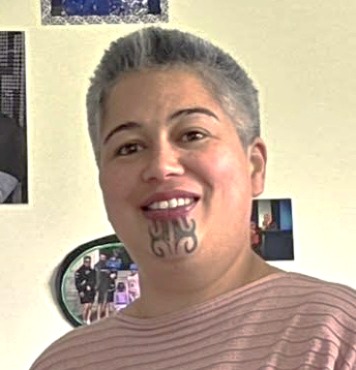
.png)
My son’s speech language journey

Around age three, my son made lots of sounds, but he wasn’t responding to his name or speaking. We live rurally in Northland, so I wasn’t around other mums, and had no support network I could ask about his language development. All I knew was that it wasn’t happening, and I didn’t know where to turn.
Looking for answers and support
My mother-in-law was so lovely and reassuring, telling me my son’s words would come eventually, but I knew something didn’t feel right. Eventually, it was his kindy that suggested I get him tested for autism, which came as a surprise. He has since also been diagnosed with an intellectual disability and speech dyspraxia.
At this point, my son was almost four but only spoke at random times, and only single words. When I met other parents of autistic children, their kids were either verbal or non-verbal, whereas my son was somewhere in between. He could tell me the alphabet from start to finish and count from one to ten. He could identify hundreds of animals. But there was no conversation. He couldn’t say “mum” or “I’m hungry”. I felt sure that his type of language must occur in other children too, I just wasn’t seeing it.
Trusting my instincts
The speech and language professionals I reached out to insisted on using baby sign language and told me that using pictures would be most helpful. But that wasn’t empowering to my son, who was soon turning five. Limiting his communication to baby sign language felt like withholding language from him, which made me uncomfortable, and I could see him getting frustrated too. I had to really advocate for what he needed, against what professionals were telling me. I felt like they were invalidating my lived experience and trying to put my son into a box. But I trusted my instincts and kept looking for another solution.
Discovering GLP
By chance, I came a website called Meaningful Speech where I learned the term gestalt language processor or GLP. Essentially, GLPs speak in single words and scripts. They learn language in chunks and can break those chunks down over time and connect them all on their own. For the first time, I felt hopeful at discovering a way I might help my son with his communication.
Some statistics show that over half of autistic people are GLPs. However, it is still not widely taught, which would explain why no one had mentioned it to me before.
Some parents may be familiar with the word echolalia, which is repeated speech, either immediate or delayed. An example of echolalia would be when I hand my son a sandwich saying, “Here’s your sandwich” and he may repeat the word “Sandwich”, which he associates with food. Delayed echolalia would be speech he repeats much later than when it was initially heard, such as saying “Sandwich” to me days later to let me know he’s hungry. GLPs often learn words in an emotional way too.
Some people, including a speech language therapist I once approached, consider echolalia to be unintelligible and to discourage it, but to the person using it like my son, echolalia is meaningful. For GLPs, language is very individualised, so as a parent you have to be a bit of a detective, watching closely all the time for clues.
Continuing the language journey
Language is still hard for my son. He gets very frustrated that he can’t ask for simple needs to be met, such as telling me he wants a drink of water. I do a lot of the heavy lifting and anticipate his needs, especially as he often communicates by actions alone. For example, instead of asking me to draw with him, he’ll sit down at the table and expecting me to know I should join. I’ve realised it’s not about “How do I make my son talk?” but accepting that people communicate in different ways.
As a parent, it’s damn hard when you’re putting yourself and your child at the mercy of professionals when they themselves don’t have all information. But thanks to my not giving up, my son is now able to communicate many things. We still use pictures and other modes of AAC, but I’m not in the dark anymore, and I would like others out there to not be either.
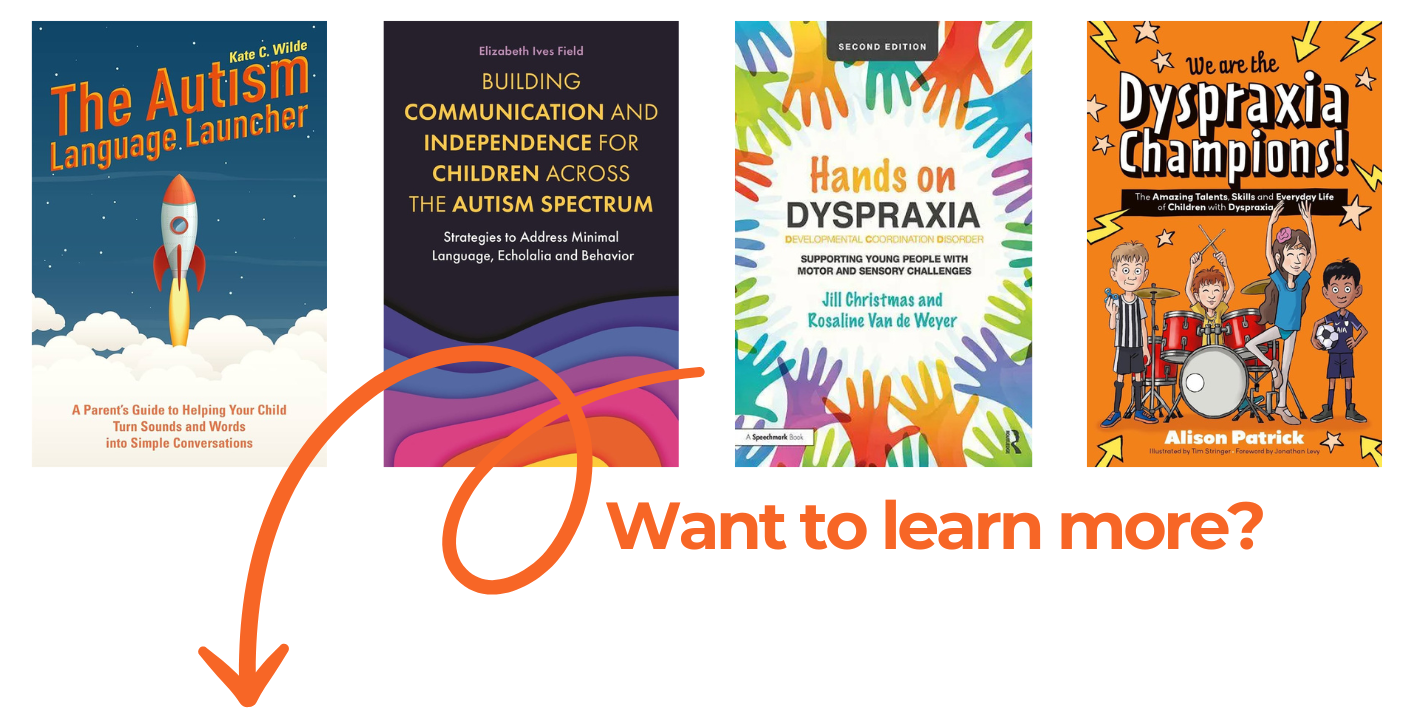
Helpful materials
Articles and resources about gestalt language development, play therapy and more
Free resources on the topic of echolalia, where people repeat words or phrases
Children's Books on dyspraxia
General books about dyspraxia
.jpg)